Hidden Gems in Pasadena Connected to the City's Cultural Scene
Pasadena has a funny way of hiding things in plain sight. Ask most visitors what the city is famous for, and you’ll hear the big names first: the Rose Parade, the Rose Bowl Game, the Rose Bowl Stadium itself, maybe Old Pasadena, maybe the Norton Simon Museum. None of that is wrong. Those are the postcard answers, and they matter. Pasadena really is one of those Southern California cities where tradition still feels visible on the street.
But if you spend a little more time here, or even just approach the city with a slower pace, the more interesting story starts to show up around the edges. The hidden gems in Pasadena are not always tiny or obscure. Sometimes they are places people pass through on the way to something else, or annual events that reveal a deeper civic character, or neighborhoods and parks that make the cultural scene feel lived in rather than staged.
That is part of what makes Pasadena worth visiting. It is not only a city of headline attractions. It is also a city where historic districts, public spaces, theater culture, local traditions, and mountain-edge landscapes overlap in a way that feels unusually coherent.
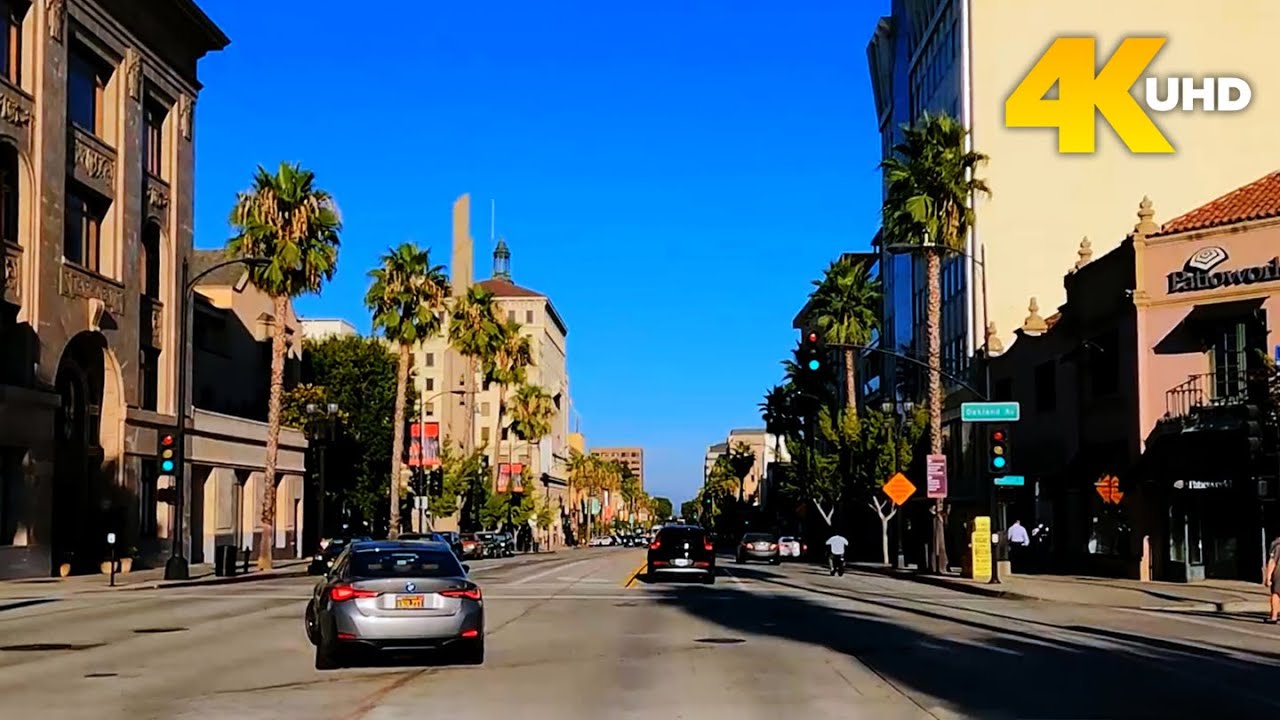
Pasadena’s cultural scene is bigger than its famous landmarks
Pasadena was incorporated in 1886, and the city ties its deeper history to the Hahamogna/Tongva people and later Spanish and Mexican era land grants. You feel that long timeline less as a single monument and more as a pattern. Historic neighborhoods, older parks, civic rituals, and arts institutions all sit close together. The result is that even a short visit can turn into a layered one.
That matters if you are trying to figure out the best things to do in Pasadena beyond the obvious. The best places to visit in Pasadena are often the places where daily life and cultural history meet. You may come for the grand traditions, but the city starts to make sense when you notice how those traditions spill into nearby districts, public gathering spaces, and year-round events.
A lot of cities claim culture. Pasadena actually organizes around it. The Tournament of Roses is the best known example, with the first Rose Parade dating to 1890 and the New Year season still defining the city’s national image. But outside that one famous moment, there is a whole local ecosystem that supports art, performance, public memory, and neighborhood identity.
Playhouse Village, where culture feels woven into the block
If you want a strong answer to how to spend a day in Pasadena, start around Playhouse Village. It is one of those districts that rewards wandering. The neighborhood builds outward from Pasadena Playhouse, which dates to 1917 and holds the title of the official State Theatre of California. That alone gives the area weight, but what makes it feel like a hidden gem is the way the theater is not isolated from the rest of the street life.
This is where Pasadena’s cultural scene feels most human in scale. Museums, galleries, eateries, and independent shops are all part of the district. That mix matters. A city can have a great theater, but if the block around it empties out before curtain time or offers nothing to do after, the cultural experience stays narrow. Playhouse Village works differently. It encourages the kind of day where you drift from coffee to browsing to a museum stop to an early dinner and then into a performance, without ever feeling like you are switching zones.
For visitors, that makes it one of the best neighborhoods in Pasadena to explore on foot. For locals, it is the sort of place that supports repeat visits, because culture here is not a one-ticket transaction. It is a neighborhood rhythm. Even if you do not have a show booked, spending time in the area gives you a feel for the city’s artistic backbone.
If you have ever visited cities where the arts district feels polished but thin, Pasadena can come as a pleasant surprise. The appeal is not flash. It is continuity.
Old Pasadena, still worth slowing down for
Old Pasadena is not exactly secret, and calling it hidden would be a stretch. Still, it belongs in any conversation about hidden gems in Pasadena because many people https://reviews.birdeye.com/ridgeline-outdoor-living-178315256770355 experience it too quickly. They treat it as a shopping and restaurant stop, then move on. What gets missed is how much the district says about Pasadena’s identity.
The city notes that Pasadena has officially designated more than 200 individual historic sites and 26 historic neighborhoods. Old Pasadena sits inside that larger preservation-minded culture. So when you walk through the district, the value is not only in what you can buy or eat. It is in the sense that history has not been scrubbed away.
That changes the experience of being there. A historic downtown is different from a lifestyle center designed to mimic one. The details feel earned. Streets become part of the city’s narrative. And because Pasadena’s broader cultural scene includes theater, museums, civic celebrations, and architecture, Old Pasadena works less like a tourist trap and more like a connector.
This is one reason the city answers the question, “Is Pasadena worth visiting?” with so much ease. Yes, for the famous landmarks. But also yes because the built environment supports curiosity. You can spend time in Old Pasadena and feel the relationship between commerce, preservation, and public life.
For first-time visitors, this area remains one of the best places to visit in Pasadena. For repeat visitors, it becomes a base from which to understand the rest.
Memorial Park, the kind of place that reveals a city’s real texture
People rarely put parks at the center of a culture conversation, which is usually a mistake. In Pasadena, Memorial Park deserves more attention than it gets. It is one of the city’s oldest parks, dating to 1888, and that age matters. Old parks often hold civic memory in a way newer attractions cannot.
A park becomes cultural not simply because it is green, but because it absorbs public life over time. Generations pass through. Events happen nearby. The city changes around it. A park like that becomes part of how a place recognizes itself.
If someone asks about family-friendly things to do in Pasadena, a park stop may not sound glamorous, but it is often the right call. It adds breathing room to a museum-heavy or shopping-heavy day. It gives children space. It gives adults a chance to see the city outside curated interiors. And in a place with a strong historic identity, older public spaces can tell you a lot about how residents have valued gathering and leisure over the decades.
Memorial Park is one of those quiet cultural anchors. Not a spectacle, just a durable piece of city life.
The Arroyo Seco, where landscape and culture meet
For me, one of the most interesting answers to “What is Pasadena famous for?” is that the city sits at a rare intersection of urban history and dramatic natural setting. The Arroyo Seco shows that beautifully. Pasadena highlights the Arroyo Seco area as a major outdoor asset, with trails, sports facilities, an aquatics center, a museum, and a golf course.
That combination is what makes it special. It is not wilderness in a sealed-off sense, and it is not just a sports complex either. It is a layered corridor where recreation, education, and landscape all share space. In practical terms, that means you can fold the Arroyo into a culture-focused day without feeling like you have left the city behind.
This is especially useful for visitors trying to balance indoor and outdoor time. Not everyone wants a trip defined by museums and dining reservations. Some people need a long walk, some open sky, some sense of terrain. The Arroyo gives Pasadena that dimension.
It also helps explain why Pasadena can feel more expansive than it looks on paper. The city’s cultural scene is not trapped inside buildings. It spills into public land and everyday movement. That is an underrated strength.
When people search for the best parks in Pasadena, they often mean places where they can actually understand the local environment, not just sit on a bench for ten minutes. The Arroyo Seco delivers that broader experience.
The Rose Bowl beyond game day
The Rose Bowl Stadium is one of Pasadena’s signature landmarks, built in 1922 and recognized as a National Historic Landmark. It is so famous that many visitors assume it only matters if they are attending a football game or a huge event. That is exactly why it can still function as a hidden gem.
The trick is to think of the Rose Bowl as part of Pasadena’s cultural landscape, not only as a sports venue. It belongs to the larger Tournament of Roses story, of course, and that annual ritual is central to the city’s identity. But the stadium also lives inside the fabric of the Arroyo area and contributes to Pasadena’s long relationship with public spectacle, gathering, and civic pride.
Then there is the Rose Bowl Flea Market, one of the recurring events highlighted by the city’s visitor information. Flea markets are cultural spaces in a very specific way. They are not polished like museums, but they preserve a different kind of memory: objects, eras, taste, nostalgia, local habits of browsing and collecting. In a city already so attuned to history and design, that kind of event fits naturally.
If you are deciding how to spend a day in Pasadena, pairing the Rose Bowl area with time in nearby districts can make for a more rounded visit than simply checking a landmark off a list. The stadium’s fame is the hook. The broader setting is the payoff.
Norton Simon Museum, then the quieter city around it
The Norton Simon Museum is not hidden by any normal definition. It is one of Pasadena’s major visitor attractions. Still, it plays an important role in understanding the city’s less obvious cultural pleasures because it can serve as the starting point for a slower kind of day.
A museum visit often sharpens your eye. After an hour or two with serious art, you tend to notice architecture, trees, public space, and storefront details differently. That is a useful state of mind in Pasadena. The city rewards close looking.
What I like about placing the Norton Simon in a “hidden gems” conversation is that it reminds people not to isolate major institutions from their surroundings. A good Pasadena day is rarely about one destination alone. It is about the sequence. Museum, walk, neighborhood, park, maybe a meal, maybe a performance. The transitions count.
That is another reason Pasadena feels richer than some cities of similar size. The cultural institutions are not remote from the street experience. They feed into it.
Annual events that reveal the city’s character
There is a big difference between a city that hosts events and a city whose identity is shaped by them. Pasadena falls in the second category. The Rose Parade and Rose Bowl Game dominate the national imagination for good reason. Together, as part of the Tournament of Roses, they have defined Pasadena’s public image for well over a century.
But some of the city’s other recurring events deserve more attention from visitors who want a fuller picture. The Black History Parade and Festival, for example, shows another side of Pasadena’s civic life and public memory. So do recurring seasonal visitor traditions and the Rose Bowl Flea Market. These are not side notes. They are evidence that Pasadena’s cultural scene remains active, not frozen in heritage mode.
That distinction matters. A place can preserve history so carefully that it starts to feel static. Pasadena mostly avoids that trap because it still gathers. It still marks time through events. It still uses public space ceremonially and socially.
If you want hidden gems in Pasadena, sometimes the answer is not a location at all. Sometimes it is timing.
The scenic edge of the city
Any conversation about the best scenic drives near Pasadena has to be handled carefully if you are sticking to what is clearly supported. What can be said with confidence is that Pasadena sits against the base of the San Gabriel Mountains, and that foothill setting shapes the experience of being there. The city is not just architecturally appealing. It has a backdrop.
That mountain edge matters for visitors because it gives ordinary movement a scenic quality. Approaches to the city, transitions toward the foothills, and time spent near places like the Arroyo Seco all carry a sense of relief from denser urban Los Angeles patterns. You feel the geography.
Eaton Canyon is part of that foothill identity. It is a 190-acre nature preserve with hiking, equestrian trails, picnic areas, seasonal stream habitat, and native plants. Under normal circumstances, it would rank high among family-friendly things to do in Pasadena and among the more obvious answers to the best parks in Pasadena question. At the moment, though, it has been noted as temporarily closed due to the Eaton Fire. That is an important real-world reminder that access changes, and that the condition of natural areas should never be assumed.
Even with that closure in mind, Eaton Canyon still helps explain Pasadena’s character. The city’s cultural scene is strengthened by its relationship to the natural landscape. Art and performance here do not float above the ground. They exist in a place with trails, foothills, and seasonal habitats nearby.

Getting around without overthinking it
One of the practical pleasures of Pasadena is Landscape Authority that the city explicitly supports a more livable approach to local travel. Its transportation department provides local transit, Dial-A-Ride, bike route information, and parking facilities, and the city says it aims for a community where cars are not necessary for all local trips.
That may sound like a dry civic fact, but for visitors it is useful. A city with a strong cultural scene works better when you can move between districts without turning every stop into a parking problem. In Pasadena, that flexibility makes it easier to combine the obvious attractions with the quieter ones.
This is especially relevant if your idea of the best things to do in Pasadena includes some improvisation. Maybe you begin in Old Pasadena, drift toward a museum, spend part of the afternoon in Playhouse Village, and then decide on a park or event depending on energy and timing. Pasadena supports that style of day better than many visitors expect.
A better way to think about Pasadena
If someone asks me for the best places to visit in Pasadena, I would still mention the major names. Leaving them out would be silly. The city is famous for them for a reason. But I would also nudge the conversation in a different direction.
The real hidden gems in Pasadena are often these slightly softer experiences: spending unhurried time in Playhouse Village, reading the city through the preserved texture of Old Pasadena, letting Memorial Park or the Arroyo Seco break up a museum day, seeing the Rose Bowl as part of civic culture rather than just sports history, paying attention to annual events that show who gathers and why.
That is the version of Pasadena that sticks with people. Not just the single attraction, but the way the city hangs together.
It is one of the few places in greater Los Angeles where you can feel history, performance, public ritual, and landscape all within easy reach of one another. That makes it a strong answer to almost every traveler’s question, whether they are wondering how to spend a day in Pasadena, whether Pasadena is worth visiting, or what Pasadena is famous for beyond the obvious. The hidden gems are there. You just have to stop looking only for secrets and start looking for connections.